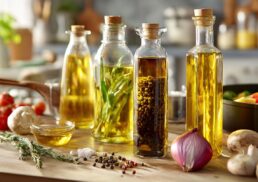
In the world of cooking, essential spices such as cinnamon and fennel can transform a simple dish into a culinary masterpiece. From the bold kick of black pepper to the aromatic depth of thyme, these herbs and spices not only enhance flavors but also elevate your cooking game. In this guide, we’ll explore the top 10 essential herbs and spices, including versatile favorites like garlic powder, that every kitchen should have. Get ready to unlock the full potential of your meals!
Table of Contents
Key Takeaways:
- Herbs and spices are essential in cooking and can greatly enhance the flavor of dishes.
- Basil, oregano, thyme, rosemary, cilantro, cumin, paprika, ginger, garlic powder, and black pepper are the top 10 must-have herbs and spices in every kitchen.
- These herbs and spices have distinct flavor profiles and can be used in a variety of dishes, making them versatile and important ingredients to have on hand.
Importance in Cooking
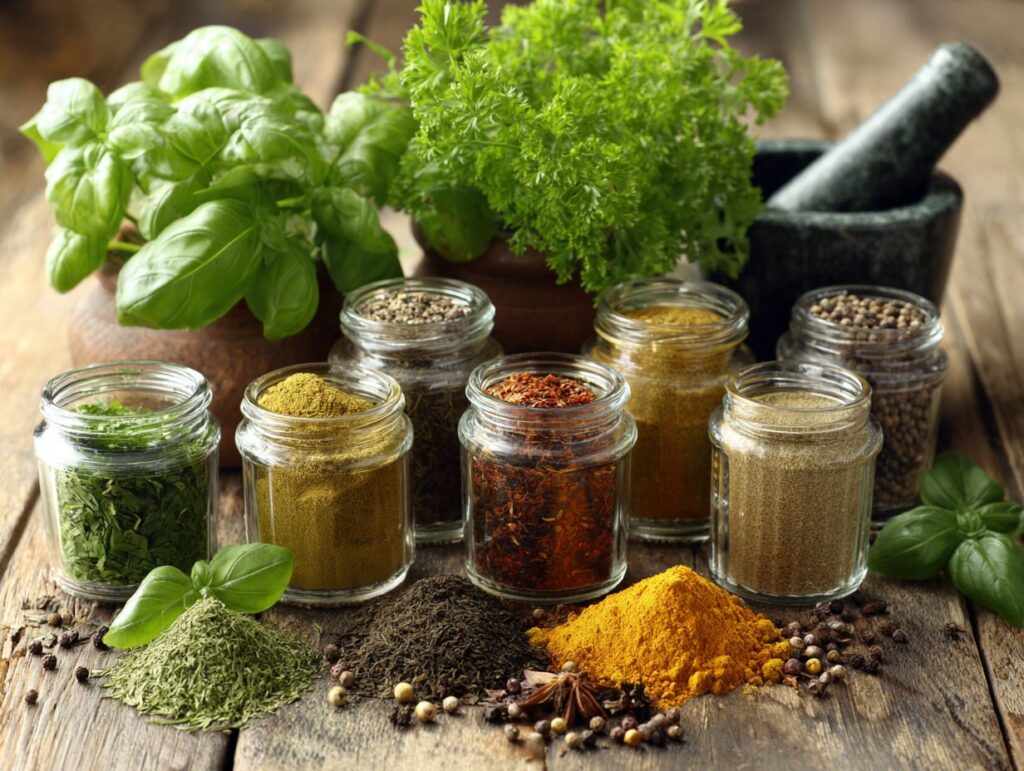
Incorporating a diverse range of herbs and spices can significantly enhance the flavor complexity of dishes, thereby making meals more enjoyable and memorable.
For example, a Mediterranean classic such as ratatouille utilizes herbs like basil and thyme to create a rich depth of flavor. Research has demonstrated that the use of fresh herbs can elevate the perception of taste, a principle that chefs often emphasize by incorporating them in generous quantities.
Cumin and coriander play a pivotal role in Moroccan tagines, providing warmth and aromatic richness. Additionally, the inclusion of spices such as smoked paprika in Spanish paella introduces a distinctive smokiness that enhances the overall savoriness of the dish.
The essential takeaway is to explore various combinations and quantities of herbs and spices to identify which flavors best resonate with individual palates.
1. Basil and Ginger Root
Basil is a versatile herb recognized for its sweet and mildly peppery flavor, which establishes it as a fundamental component in Mediterranean cuisine.
Flavor Profile
Basil possesses a distinct flavor profile that seamlessly combines sweetness with a subtle hint of pepper, making it an excellent complement to tomatoes and cheese. This aromatic herb elevates traditional dishes such as Caprese salad and Margherita pizza.
The use of fresh basil imparts a vibrant taste, ideal for garnishing, while dried basil, although more concentrated, tends to lack the same brightness.
For optimal flavor enhancement, it is advisable to utilize fresh basil in salads or as a finishing touch, reserving dried basil for longer-cooked dishes, such as marinara sauce, where it can gradually infuse its flavor.
To ensure maximum freshness, basil should be stored upright in water, similar to a bouquet, while being kept away from direct sunlight to prolong its shelf life.
Common Uses
Basil is a commonly used herb in Italian and Thai cuisine, playing a vital role in recipes such as Caprese salad and green curry, and is often complemented by spices like cayenne pepper and nutmeg.
In contemporary culinary practices, basil is prominently featured in dishes like basil pesto pasta and in cocktails infused with its flavor, including mojitos and gin fizzes.
Along with its culinary applications, basil offers numerous health benefits. It is rich in antioxidants and possesses anti-inflammatory properties, which may aid in reducing stress and promoting cardiovascular health.
Incorporating fresh basil into meals not only enhances flavor but also supports a healthier lifestyle. For individuals who are new to cooking, beginning with a simple basil tomato sauce can serve as an excellent introduction to this versatile herb.
2. Oregano
Oregano is a herb characterized by its warm and aromatic flavor, rendering it an excellent choice for seasoning meats, sauces, and a variety of Italian and Mediterranean dishes.
Flavor Profile
Oregano possesses a pungent and slightly bitter flavor, which is frequently characterized as earthy with a hint of sweetness. When dried, the flavor of oregano intensifies and becomes more concentrated, resulting in a loss of some of its fresh, bright notes.
Fresh oregano is commonly utilized in Mediterranean cuisine, providing a vibrant taste that enhances dishes featuring tomatoes and grilled vegetables. In contrast, dried oregano is particularly effective in slow-cooked meals, such as sauces or stews, where its robust flavor can be fully appreciated.
As a general guideline, it is advisable to use one teaspoon of dried oregano for every tablespoon of fresh oregano. This measurement helps to maintain balance in culinary preparations, ensuring that the flavor is pronounced without becoming overwhelming.
Common Uses
Oregano is widely utilized in Mediterranean cuisine, particularly in dishes such as pizza, pasta sauces, and grilled meats. It complements a variety of spices and herbs, enhancing the flavors of numerous recipes.
For example, combining oregano with basil and thyme results in a robust seasoning that is ideal for marinades. In pasta dishes, incorporating oregano with garlic and red pepper flakes introduces a delightful kick.
Additionally, for a unique variation, one might consider pairing oregano with cumin and coriander to create a flavorful taco seasoning inspired by Mediterranean cuisine.
Exploring these combinations can significantly enhance culinary creations, establishing oregano as a versatile staple in the kitchen.
3. Thyme and Cardamom
Thyme possesses a delicate earthy flavor accompanied by notes of mint, which enhances the taste of a diverse range of dishes, especially when paired with spices like allspice and coriander seeds.
Flavor Profile
Thyme’s flavor is characterized by its warm and woody notes, accompanied by a subtle peppery undertone that intensifies during the cooking process.
To utilize thyme effectively, it is advisable to begin with fresh sprigs when roasting meats or vegetables. Placing whole sprigs on the protein prior to cooking allows for a gradual infusion of flavor. When using dried thyme, it is recommended to apply approximately one-third of the amount used for fresh thyme, as the dried version offers a more concentrated taste.
To enhance oils or broths, one can steep thyme in warm olive oil for 15 to 20 minutes, after which it should be strained to produce a flavorful infusion suitable for salad dressings or sauting.
Additionally, it is important to incorporate thyme towards the end of the cooking process in order to preserve its aromatic qualities in more delicate dishes.
Common Uses
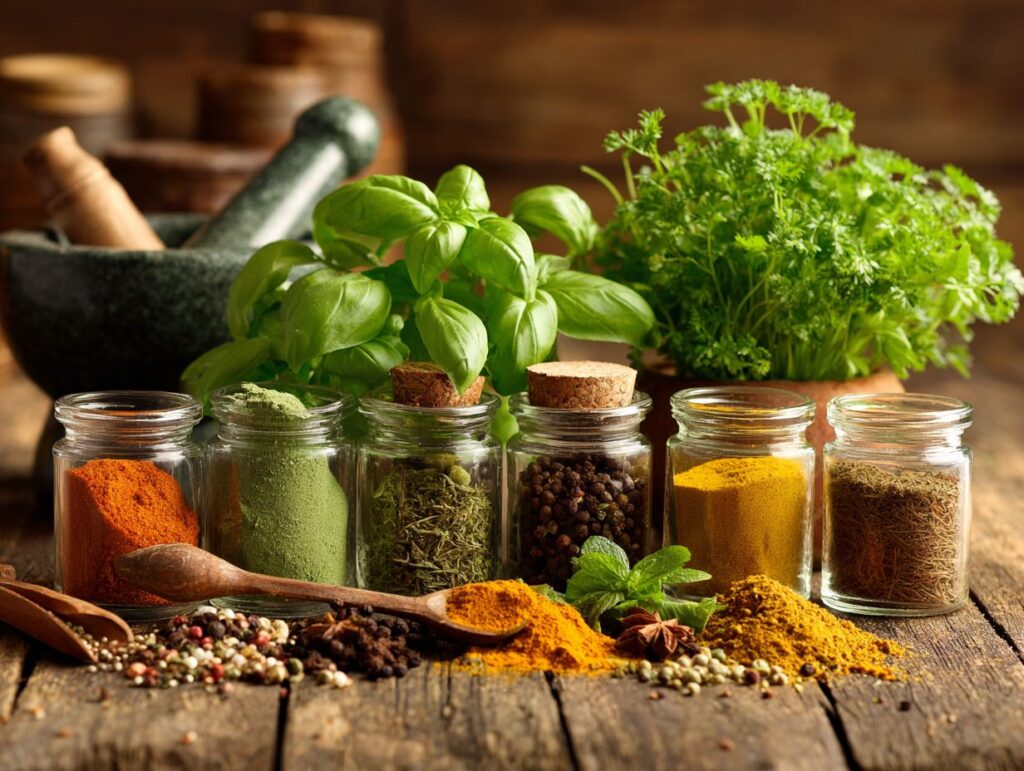
Thyme is commonly utilized in soups, stews, and roasted meats, significantly enhancing the depth of flavor in these culinary preparations.
In both Mediterranean and French cuisines, thyme serves as a highly versatile herb. For instance, in coq au vin, its earthy undertones enrich the complexity of the braised chicken and wine, while in ratatouille, it complements the fresh vegetables exceptionally well.
To fully harness its potential, one may consider incorporating fresh thyme sprigs into marinades or using them as a finishing touch for roasted dishes. Additionally, experimenting with dried thyme in various spice blends can yield a flavorful seasoning that effectively unifies herbs and spices in traditional recipes, such as herbes de Provence.
4. Rosemary
Rosemary is an aromatic herb known for its robust flavor, frequently utilized in roasted dishes and Mediterranean cuisine, often accompanied by paprika and chili powder for added depth.
Flavor Profile
With its pine-like fragrance and distinctive flavor, rosemary is an excellent complement to meats and hearty vegetables.
To utilize rosemary effectively, one should consider incorporating it into dishes at various stages of preparation. For instance, adding fresh sprigs to roasted chicken or lamb can enhance the overall flavor profile significantly.
When utilizing dried rosemary, it is advisable to crush it slightly to release its essential oils before blending it with olive oil for a marinade. Additionally, rosemary can elevate vegetable dishes; for example, tossing it with potatoes or carrots prior to roasting can yield delightful results.
It is important to exercise caution regarding the quantity used; a small amount of rosemary can have a substantial impact, ensuring that the herb enhances rather than overpowers other flavors in the dish.
Common Uses
Rosemary is commonly utilized in the preparation of roasted meats, potatoes, and breads, where it serves to enhance the flavors of these hearty dishes.
Incorporating rosemary into culinary practices can significantly elevate the quality of meals. For example, one may consider using it in an herb-crusted lamb dish by combining chopped rosemary with garlic and mustard and applying this mixture to the meat prior to roasting.
Alternatively, fresh rosemary can be added to focaccia bread dough to impart a fragrant twist. Additionally, infusing olive oil with rosemary provides a flavorful finishing oil or marinade.
Each of these methods effectively showcases the herb’s aromatic properties and beautifully complements richer flavors in various dishes.
5. Cilantro and Turmeric
Cilantro, known for its fresh and citrusy flavor, is an essential ingredient in numerous global cuisines, particularly those of Latin American and Asian origins, and pairs well with spices like turmeric and cardamom.
Flavor Profile
Cilantro’s bright and zesty flavor can be polarizing; however, when utilized appropriately, it can impart a fresh note to various dishes. To balance the intensity of cilantro, it is advisable to pair it with complementary flavors. For instance, its citrusy notes work harmoniously with lime juice in salsas or dressings.
Incorporating a pinch of sugar can counteract any bitterness, particularly in spicy dishes. When preparing curries, cilantro should be used as a finishing herb, added at the end of the cooking process to preserve its freshness. Additionally, fennel seed can be incorporated to add a subtle sweetness.
In the case of guacamole, incorporating diced jalapeos and avocado can help to mellow cilantro’s sharpness. Adjusting the proportions of these ingredients according to personal preference allows for the enjoyment of cilantro’s distinctive flavor without it overpowering the dish.
Common Uses in Mediterranean Cooking
Cilantro is frequently utilized in salsas, curries, and as a garnish, contributing a refreshing brightness to rich flavors. Its versatility establishes it as a fundamental ingredient in a variety of cuisines.
For example, in Mexican cooking, cilantro can be incorporated into a fresh pico de gallo, combined with diced tomatoes, onions, and lime juice.
In Thai cuisine, cilantro is particularly prominent in vibrant green curries, where it enhances the flavors of coconut milk and spices. For those who appreciate salads, a cilantro-lime dressing made with olive oil, lime juice, and minced garlic can significantly elevate the flavor profile of greens.
Utilizing cilantro not only brightens dishes but also adds a layer of freshness and complexity to meals.
6. Cumin
Cumin imparts a warm, earthy flavor that is fundamental to numerous spice blends and is a key ingredient in various global cuisines, particularly those of Indian and Middle Eastern origin.
Flavor Profile
Cumin, with its warm, nutty flavor, introduces complexity to a variety of both savory and sweet dishes. The flavor profile of cumin evolves during the cooking process, becoming more pronounced when toasted.
It is advisable to begin by lightly toasting whole seeds in a dry skillet over medium heat for approximately 1-2 minutes, or until they release a fragrant aroma. This technique serves to enhance the earthy notes of the spice.
Incorporating cumin early in the cooking process allows it to integrate seamlessly into sauces, stews, and curries. For example, adding ground cumin to a chili recipe or using it as part of a spice rub for meats can significantly elevate the overall flavor of the dish.
It is beneficial to experiment with both raw and toasted forms of cumin to determine the preferred depth of flavor for various culinary applications.
Common Uses
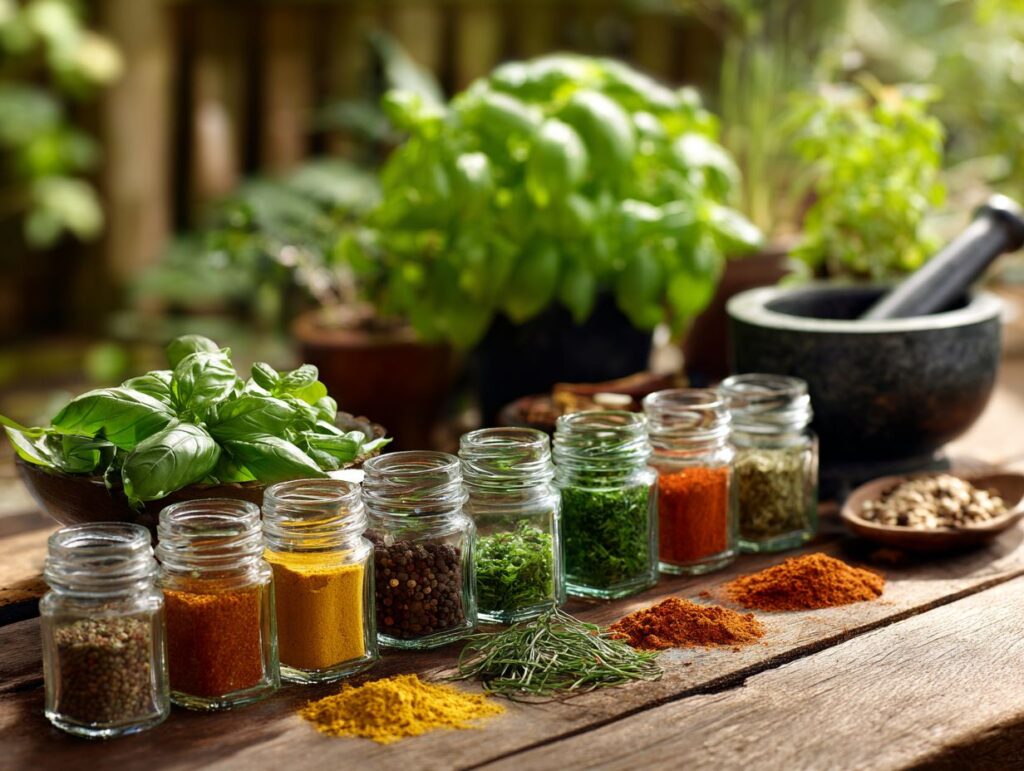
Cumin is frequently utilized in various spice blends for curries, chili, and tacos, contributing essential flavor to these dishes. In Indian cuisine, cumin imparts depth to masalas, as exemplified in Chana Masala, while in Mexican preparations such as Tacos al Pastor, it enhances the earthy flavors of the meat.
Along with its flavor-enhancing properties, cumin offers notable health benefits, including support for digestion and an increase in immunity. It is advisable to incorporate ground cumin into dressings or marinades for roasted vegetables, or to use whole seeds tempered in oil for an aromatic finish.
Each method allows for the enjoyment of cumin’s warm, slightly nutty profile across various culinary traditions.
7. Paprika
Paprika, distinguished by its vibrant red hue, presents a diverse array of flavors, ranging from sweet to smoky.
This versatility renders it an essential spice in culinary applications.
Flavor Profile
The flavor profile of paprika can vary significantly, ranging from sweet and mild to hot and smoky, depending on the specific type utilized.
When selecting the appropriate paprika, it is essential to consider the flavor profile of the dish being prepared. Sweet paprika is particularly well-suited for stews and sauces, while smoked paprika enhances the depth of grilled meats and roasted vegetables. For those seeking a spicy element, hot paprika is an excellent choice for dishes such as chili or spicy sauces.
A useful visual guide includes:
- Bright red indicating sweet paprika
- Dark red signaling smoked paprika
- Deep crimson suggesting hot paprika
It is advisable to conduct taste tests whenever feasible, as different brands may exhibit variations in intensity. Freshness is also a critical factor; therefore, it is recommended to purchase paprika from reputable sources to ensure vibrant and robust flavors.
Common Uses
Paprika is frequently utilized in stews, marinades, and as a garnish, contributing both color and flavor to various dishes.
Incorporating paprika into culinary creations can significantly enhance ordinary recipes. For example, Hungarian goulash benefits from the addition of sweet paprika, which deepens the flavor profile and imparts a rich red hue.
Another excellent application is in roasted vegetables, which, when tossed with smoked paprika, gain an elevated taste characterized by a subtle smokiness.
A simple yet effective dish is garlic-paprika chicken; by marinating the chicken in olive oil, garlic, and a generous amount of paprika prior to grilling, one can enhance the flavor while also achieving an appealing presentation.
Each of these dishes exemplifies paprika’s versatility, enhancing both visual appeal and culinary depth.
8. Ginger
Ginger contributes a warm, spicy flavor that is essential in both sweet and savory dishes, particularly within Asian cuisine.
Flavor Profile
Ginger’s flavor is distinguished by its spiciness and warmth, which contribute significant depth to a variety of dishes. To mitigate the robust flavor of ginger in culinary applications, it is advisable to pair it with complementary spices.
For instance, the addition of honey can temper its heat, while citrus juices such as lime or lemon can elevate the overall brightness of the dish.
In savory recipes, the combination of garlic and soy sauce can create a harmonious blend that is particularly well-suited for stir-fries. When engaging in baking, integrating spices such as cinnamon or nutmeg can enhance the sweetness of ginger without overpowering the overall flavor profile.
Precision in adjusting quantities is essential; it is recommended to begin with small amounts and taste throughout the cooking process to achieve the desired flavor balance.
Common Uses
Ginger is widely utilized in stir-fries, marinades, and baked goods, imparting a distinctive and zesty flavor to various dishes.
It can be incorporated into an array of recipes, including ginger chicken stir-fry and ginger-infused carrot soup. To prepare fresh ginger, it is advisable to peel the skin using a spoon for ease of removal, followed by grating or slicing it as specified in the recipe.
For marinades, combining grated ginger with soy sauce, garlic, and a small amount of sesame oil creates a robust and flavorful base.
In baking, ground ginger serves to enhance the warmth of cookies and cakes, effectively balancing sweetness with its inherent spiciness to achieve a well-rounded flavor profile.
9. Garlic Powder
Garlic powder provides a concentrated garlic flavor that enhances a diverse range of dishes, establishing it as a fundamental ingredient in culinary applications.
Flavor Profile
Garlic powder offers a robust and savory flavor that is milder than that of fresh garlic, making it a versatile ingredient in culinary applications. It is particularly well-suited for use in seasoning blends, marinades, and soups.
For example, garlic powder can be incorporated into a dry rub for meats by combining it with paprika, salt, and pepper to create a flavorful coating. In a marinade, two teaspoons of garlic powder can be mixed with olive oil, lemon juice, and herbs to enhance the overall flavor profile.
When used in soups, one teaspoon of garlic powder can effectively replace one clove of fresh garlic, providing a milder taste that does not overpower other ingredients. This versatility positions garlic powder as an essential staple for those who seek convenience without compromising on flavor.
Common Uses
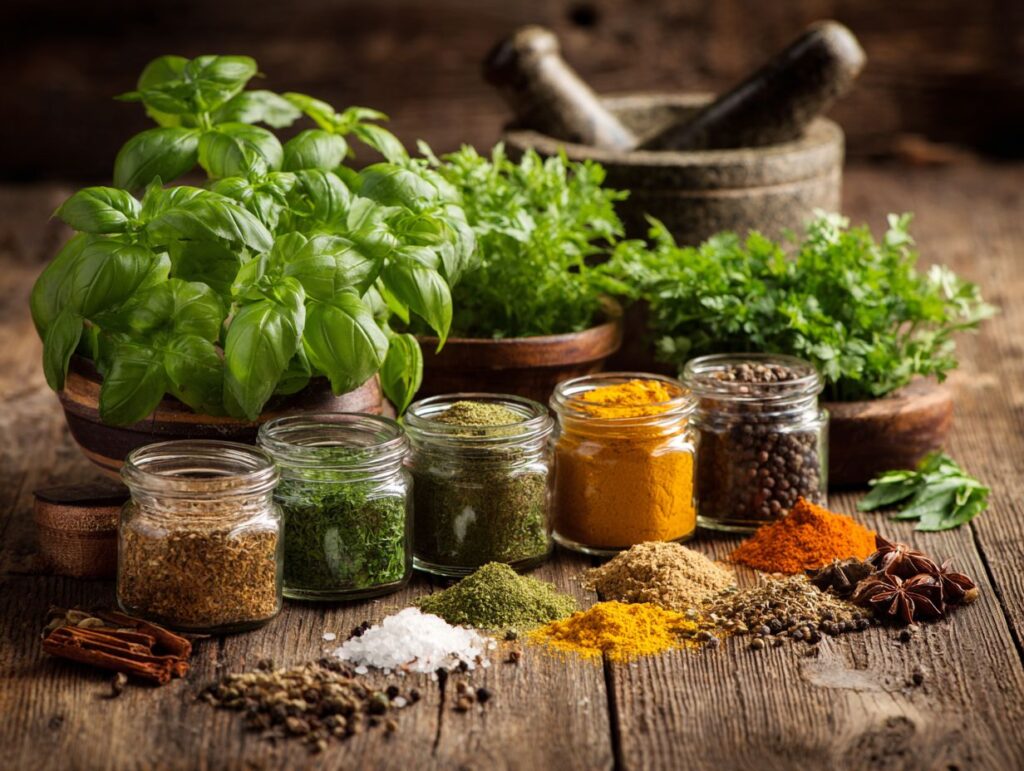
Garlic powder is frequently utilized in seasoning blends, marinades, and sauces, providing a convenient enhancement of flavor.
It can be integrated into various dishes such as roasted vegetables, grilled meats, or pasta to achieve an immediate depth of flavor. For roasted vegetables, it is advisable to toss them with olive oil, salt, and 1-2 teaspoons of garlic powder prior to baking.
When marinating chicken, combining garlic powder with lemon juice, olive oil, and herbs is effective; allowing the mixture to sit for a minimum of 30 minutes will optimize the infusion of flavors.
Additionally, garlic powder can significantly enhance soups and stews; merely adding one to two tablespoons during the cooking process will create a rich, savory backdrop.
10. Black Pepper
Black pepper, often referred to as the “king of spices,” imparts a distinctive sharp heat and aromatic flavor to a myriad of dishes across the globe.
Flavor Profile
Black pepper provides a distinctive pungency that can enhance the flavor of nearly any dish it accompanies. The decision between using freshly ground and pre-ground black pepper considerably affects culinary results.
Freshly ground pepper delivers a brighter and more intricate flavor profile, as the essential oils remain intact and are released immediately upon grinding. In contrast, pre-ground pepper tends to have a subdued taste due to prolonged exposure to air and moisture.
To achieve optimal flavor, it is advisable to invest in a high-quality pepper mill, such as the Peugeot Paris Classic, which facilitates precise grinding. This seemingly minor adjustment can significantly elevate the overall flavor profile of your dishes.
Common Uses
Black pepper is a fundamental seasoning utilized in a wide range of culinary applications, including soups, salads, meats, and marinades.
Incorporating black pepper into various dishes not only enhances flavor but also provides notable health benefits. For example, one may consider sprinkling freshly cracked black pepper over roasted vegetables to achieve a savory finish, particularly in Mediterranean cooking.
In marinades, combining black pepper with olive oil, garlic, and lemon juice can significantly elevate the flavors of chicken or fish. Additionally, a simple salad dressing made from equal parts olive oil and vinegar, complemented by a generous amount of black pepper, can impart a zesty kick.
Furthermore, adding black pepper to morning scrambled eggs can transform an ordinary meal into a vibrant and appealing experience.
Final Thoughts on Kitchen Essentials
Emphasizing the importance of utilizing fresh and high-quality herbs and spices can significantly elevate home cooking to a professional standard.
To achieve this enhancement, one may consider cultivating a personal herb garden. It is advisable to begin with easy-to-grow varieties such as basil, parsley, and mint, which are well-suited for small spaces or container gardening.
Using lightweight potting soil and ensuring that the herbs receive a minimum of six hours of sunlight each day will promote healthy growth. Simple tools such as a small trowel and a watering can will facilitate the cultivation process.
Along with herbs, exploring unique spice blends, such as za’atar or garam masala, can transform ordinary dishes into extraordinary culinary experiences. Sourcing fresh ingredients not only enhances the flavors of meals but also contributes to a healthier diet.
Therefore, it is worthwhile to consider experimenting with these practices today.
Learn more, The 12 Essential Spices Every Kitchen Should Have.
Frequently Asked Questions
What are the top 10 essential herbs and spices every kitchen needs?
The top 10 essential herbs and spices every kitchen needs are salt, black pepper, garlic powder, onion powder, chili powder, cumin, oregano, thyme, rosemary, and paprika.
Why are these herbs and spices considered essential?
These herbs and spices are considered essential because they add flavor and depth to a variety of dishes, and can be used in a wide range of cuisines.
Where can I purchase these essential herbs and spices?
You can purchase these essential herbs and spices at most grocery stores, specialty spice shops, and online retailers.
How should I store these herbs and spices?
To maintain their freshness and flavor, these herbs and spices should be stored in a cool, dry place away from direct sunlight.
Can I substitute fresh herbs for dried herbs in recipes?
Yes, you can substitute fresh herbs for dried herbs in recipes, but the general rule is to use three times the amount of fresh herbs as the recipe calls for in dried herbs.
What are some ways to use these essential herbs and spices in cooking?
These essential herbs and spices can be used in a variety of ways, such as seasoning meats and vegetables, adding flavor to soups and stews, and creating marinades and rubs for grilling. Cooking spices like these can also be used as garnishes for a pop of flavor and color in dishes.