
In recent years, artisanal soft serve has emerged as a delicious trend, captivating ice cream lovers with its creamy texture and innovative flavors, embodying a revolution in ice cream culture. Gourmet restaurants and local creameries alike are embracing this culinary artistry, transforming a classic treat into an elevated experience. In this article, we’ll explore where to find the best artisanal soft serve and delve into the meticulous process behind its creation, ensuring you don’t miss out on this delectable movement.
Table of Contents
Key Takeaways:
- Artisanal soft serve is a popular trend in the dessert world, characterized by high-quality ingredients and unique flavors.
- From classic flavors to limited edition offerings, artisanal soft serve can be found in various locations such as local shops, food trucks, and pop-up stands.
- The making of artisanal soft serve involves strict quality standards and production techniques, resulting in a delicious and visually appealing treat.
The Rise of Artisanal Soft Serve

Artisanal soft serve signifies a modern advancement in frozen desserts, highlighting distinctive flavors and premium ingredients that enhance the traditional ice cream experience, rooted in ice cream history and technological advancements.
Definition and Characteristics
Artisanal soft serve is characterized by its rich, creamy texture, which is often attained through innovative air incorporation techniques that enhance both flavor delivery and mouthfeel. This distinctive dessert frequently features unique flavor swirls, such as lavender honey or matcha with white chocolate, which are the results of exceptional culinary craftsmanship inspired by global trends and flavor fusions.
The use of high-quality ingredients is paramount; for instance, incorporating locally sourced, organic dairy significantly elevates the overall taste and creaminess of the soft serve. Artisans may employ specialized machines, such as the Carpigiani, which provide precise control over temperature and texture.
This attention to detail ensures that each serving not only satisfies the palate but also exemplifies a genuine labor of love in the dessert-making process.
Historical Context
The history of soft serve can be traced back to ancient Greece, where frozen desserts were crafted using snow and honey. This practice evolved over the centuries into the gourmet offerings available today.
During the Middle Ages, advancements in ice-making techniques utilizing salt and ice facilitated the creation of smoother frozen confections. By the 18th century, the increased accessibility of sugar led to the introduction of ice cream in Europe.
The 1930s marked a significant milestone with the invention of soft serve machines, which were popularized by chains such as Dairy Queen, revolutionizing the texture and serving methods of ice cream.
In contemporary times, artisanal soft serve establishments are now blending unique flavors with locally sourced ingredients, reflecting modern culinary trends that emphasize flavor diversity, health-conscious options, and quality presentation.
Popular Flavors and Innovations
The realm of artisanal soft serve presents a platform for flavor exploration, showcasing both traditional combinations and bold innovations that continuously engage and satisfy customer preferences.
Classic vs. Unique Flavors
Classic flavors such as vanilla and chocolate continue to remain popular; however, innovative establishments are increasingly experimenting with exotic flavors like matcha and black sesame to appeal to adventurous consumers.
These distinctive flavors not only enhance menu diversity but also encourage customers to explore exciting taste combinations. For example, pairing matcha soft serve with a drizzle of sweetened red bean creates a harmonious balance of earthy and sweet notes. Similarly, black sesame can be combined with honey or coconut cream, resulting in a rich, nutty flavor profile.
Contemporary establishments frequently showcase such pairings on social media platforms, motivating patrons to sample limited-time offerings that merge these exotic flavors with more familiar ones, thereby enriching the overall dessert experience.
Seasonal and Limited Edition Offerings
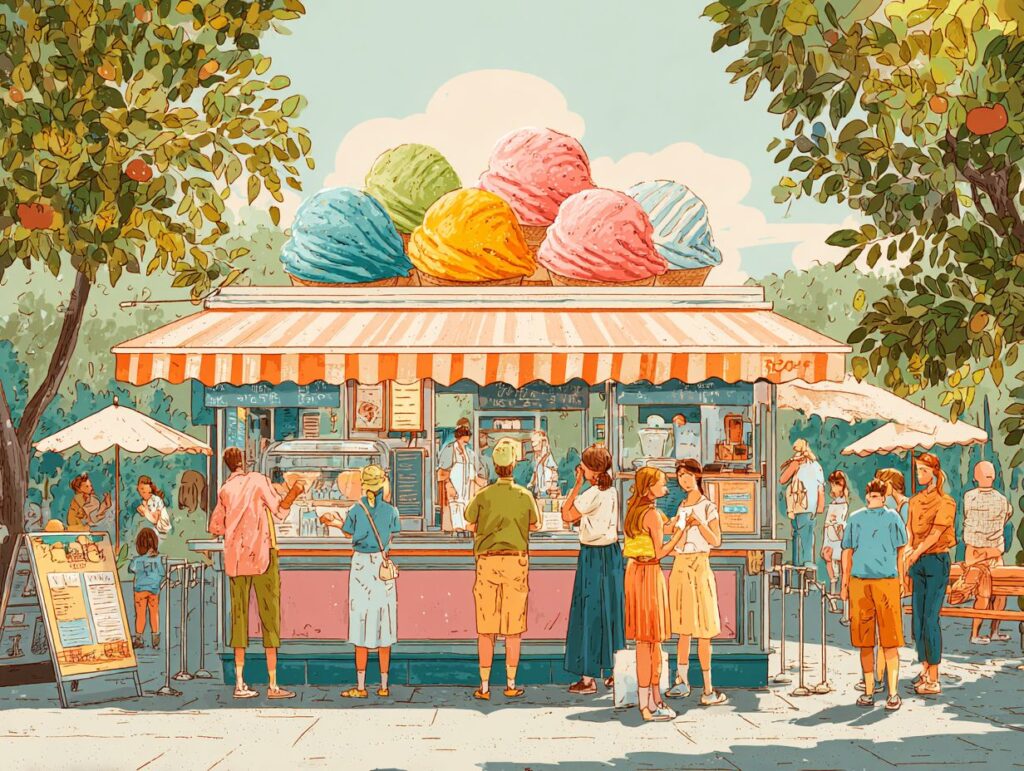
Seasonal offerings, such as pumpkin spice in the fall and refreshing strawberry basil in the summer, exemplify how artisanal soft serve adapts to consumer preferences throughout the year.
For example, establishments like Salt & Straw capitalize on these trends by introducing limited-time flavors, generating excitement through strategic social media campaigns and collaborations with local farmers. Their ‘Flavors of the Month’ not only engage loyal customers but also attract new patrons eager to experience seasonal creations.
Another noteworthy example is Van Leeuwen, which frequently promotes distinctive flavors such as Earl Grey or vegan lavender. They effectively generate engagement through visually appealing content and narratives surrounding each flavor on Instagram.
By emphasizing the seasonal elements and flavor innovations, these brands cultivate a sense of urgency and anticipation among their customers.
Where to Find Artisanal Soft Serve
Artisanal soft serve is available at a diverse range of establishments, including contemporary creamery shops and innovative food trucks that offer gourmet experiences in urban settings.
Local Shops and Creameries
Local shops and creamery locations, such as Ample Hills Creamery in New York and Salt & Straw in Portland, exemplify the artisanal movement through their innovative flavor offerings and commitment to fostering a community-oriented atmosphere.
Other noteworthy establishments include:
- Jeni’s Splendid Ice Creams, celebrated for its distinctive flavor combinations like Goat Cheese with Fig.
- Van Leeuwen, which prioritizes the use of high-quality ingredients, with a standout offering being their Vegan Mint Chocolate Chip.
For individuals seeking a diverse array of options, Sweet Rose Creamery in Los Angeles provides a rotating selection of seasonal flavors, frequently incorporating locally sourced produce.
These establishments not only serve exquisite ice creams but also encourage patrons to engage with their sourcing and production practices, incorporating sustainable practices and plant-based alternatives, thereby enriching the overall experience of enjoying dessert.
Food Trucks and Pop-Up Stands
Food trucks and pop-up stands have experienced a significant rise in popularity, providing artisanal soft serve that incorporates unique twists, often utilizing locally sourced ingredients and innovative flavor combinations. These mobile vendors have become beloved fixtures within their communities.
For example, ‘Naked Ice Cream’ in Los Angeles offers distinctive flavors such as lavender honey and matcha green tea, utilizing organic dairy and fresh herbs. Similarly, ‘Little Baby’s Ice Cream’ in Philadelphia creatively combines soft serve with toppings like pretzel dust and roasted strawberries.
To differentiate themselves in a competitive market, aspiring vendors should prioritize unique flavors and high-quality ingredients. Additionally, leveraging social media platforms such as Instagram can enhance branding and foster customer engagement.
Investing in a portable soft serve machine can also optimize operations, facilitating the efficient serving of delectable treats while on the move.
How It’s Made
The production process of artisanal soft serve is dependent on the utilization of high-quality ingredients and contemporary techniques, which collectively ensure a rich, creamy texture and vibrant flavors, showcasing artisan methods and modern gastronomy.
Ingredients and Quality Standards
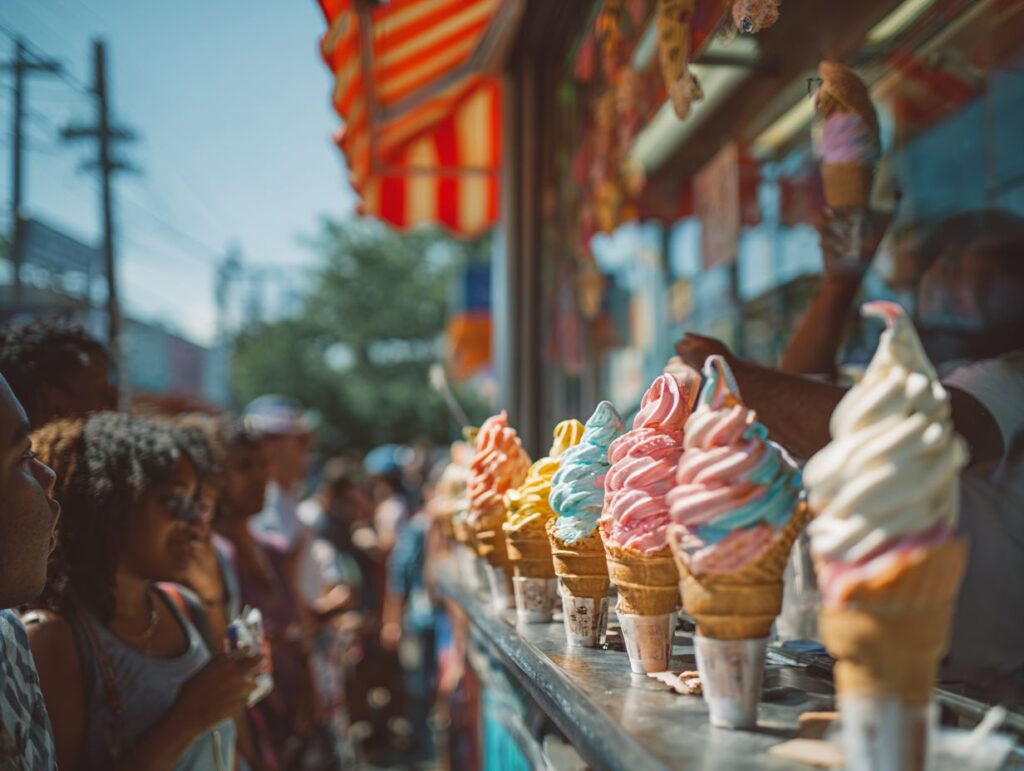
Artisanal soft serve is characterized by the use of premium ingredients, such as organic dairy and innovative flavor enhancers, to produce a distinctive product that adheres to high-quality standards. For example, the incorporation of grass-fed milk not only enhances the flavor but also increases the nutritional profile by providing higher levels of omega-3 fatty acids.
Many artisans are exploring unique flavor enhancers, such as roasted pistachio paste or house-made fruit pures, to elevate their offerings. Additionally, the use of sweeteners like local honey or agave syrup not only improves the taste but also promotes sustainable sourcing practices.
By prioritizing these high-quality ingredients, artisans are able to create a soft serve experience that is both enjoyable and considerate of health and environmental impacts.
Production Techniques
Mastering production techniques such as air incorporation and utilizing high-end ice cream machines is essential for achieving the silky texture that characterizes artisanal soft serve.
A critical technique in this process is overrun control, which refers to the amount of air incorporated into the mixture. The ideal overrun levels typically range from 20% to 30%, ensuring a product that is both light and creamy.
Employing machines like the Carpigiani 191, which allows for precise adjustments in temperature and speed, can significantly enhance the quality of the final product, reflecting technological advancements in ice cream machines. Additionally, achieving a balance of ingredients is fundamental; the use of fresh dairy and seasonal flavors contributes to a more authentic and pleasing taste profile.
By meticulously managing these factors, producers can elevate their soft serve to a distinguished culinary experience, characterized by artistic presentation and dessert culture.
The Cultural Impact of Artisanal Soft Serve
Artisanal soft serve transcends mere indulgence; it represents a cultural phenomenon that promotes community engagement and is significantly shaped by social media trends, underscoring the evolution of frozen treats and social gatherings.
Social Media Influence
The visual appeal of artisanal soft serve, crafted by dessert chefs using modern techniques, has established it as a prominent subject on social media, significantly influencing dessert trends and inspiring innovative flavor developments that maintain consumer interest.
Brands such as Milkbar and Salt & Straw employ vibrant, high-resolution imagery to engage their audiences on platforms like Instagram. These brands frequently introduce seasonal flavors and themed campaigns, encouraging their followers to share their tasting experience using designated hashtags.
For example, Salt & Straw’s monthly flavor specials not only highlight their creativity and innovative ingredients but also promote the generation of customer-created content.
Utilizing tools such as Canva enables businesses to design visually compelling social media posts, thereby increasing the likelihood of shares and overall engagement. Additionally, actively engaging with customers through polls and contests regarding their favorite flavor profiles further enhances community involvement and fosters brand loyalty.
Community Engagement and Events
Artisanal soft serve establishments, reminiscent of funfair stands, often organize community events that promote social gatherings, celebrating dessert culture while showcasing innovative flavors.
These events may include seasonal festivals and flavor tasting evenings, which encourage local patrons to engage directly with the artisans. Establishing partnerships with nearby businesses, such as bakeries for collaborative dessert pairings and coffeehouses for handmade sauces, can draw larger audiences.
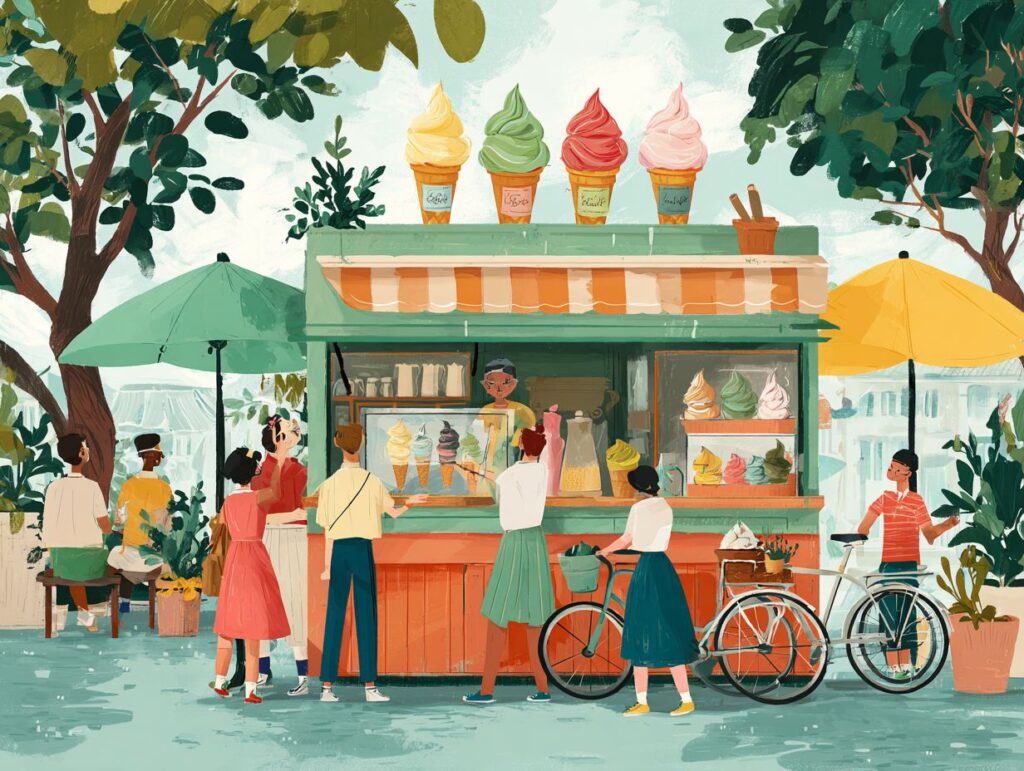
Additionally, hosting workshops focused on the art of soft serve preparation using traditional recipes allows customers to cultivate a deeper connection with the brand. Leveraging social media to promote these events enhances visibility and fosters a sense of community. Collaborating with local influencers can further extend the reach, generating interest around unique offerings and experiences.
Learn more, The Story Behind Soft Serve Ice Cream.
Frequently Asked Questions
What is artisanal soft serve and its historical origins?
Artisanal soft serve is a type of ice cream that is made using high-quality, natural ingredients and unique flavors. It is typically made in small batches, using traditional methods like churning and aging to create a rich and creamy texture, reminiscent of creamy indulgence found in upscale dining.
Where can I find artisanal soft serve and explore its food history?
Artisanal soft serve can be found at specialty ice cream shops, food trucks, and even some high-end restaurants, including upscale dining venues. It is becoming increasingly popular, so keep an eye out for it on menus and social media.
How is artisanal soft serve different from traditional soft serve and fast-food chains?
Artisanal soft serve is made with a higher quality of ingredients and is typically made in smaller batches. It is also made using traditional methods, which give it a richer and creamier texture compared to mass-produced soft serve, reflecting the ice cream evolution over time.
What makes artisanal soft serve so special?
The use of high-quality ingredients and traditional methods are what make artisanal soft serve stand out. The unique and creative flavor combinations also set it apart from traditional soft serve, making it a memorable and delicious treat, contributing to the culinary refinement of contemporary cuisine.
Can I make artisanal soft serve at home?
Yes, it is possible to make artisanal soft serve at home. However, it can be quite time-consuming and requires specific equipment and techniques, reflecting the intricate nature of traditional recipes. It may be easier to simply visit a specialty shop to try it out.
What are some popular flavors of artisanal soft serve?
Some popular flavors of artisanal soft serve include matcha green tea, black sesame, lavender honey, and salted caramel. However, the possibilities are endless and you may find unique and creative flavors at different shops, reflecting diverse flavor profiles and sweet indulgence.


