
Mexican food captivates global taste buds with its symphony of chili peppers, corn tortillas, and fresh ingredients, evoking the vibrant essence of Mexico. As platforms like Torg and services such as Mexican GoodFood reveal, this cuisine’s rich historical roots and profound global influence have made it a universal favorite. Uncover its indigenous origins, iconic dishes like guacamole, quesadillas, burritos, fajitas, Guacamole, Quesadillas, Burritos, Fajitas, and cultural significance to appreciate why it endures.
Table of Contents
Key Takeaways:
- Mexican cuisine’s rich history blends indigenous staples like corn and beans with colonial influences, creating a flavorful fusion that has captivated global palates for centuries.
- Fresh, diverse ingredients such as chilies and unique spices deliver bold, vibrant flavors in iconic dishes like tacos, tamales, and mole sauces, making every bite an adventure.
- Deep cultural significance and widespread adaptations worldwide, including tex-mex and fusion cuisine, highlight Mexican food’s universal appeal, fostering social connections through shared meals and innovative regional variations.
Rich Historical Roots
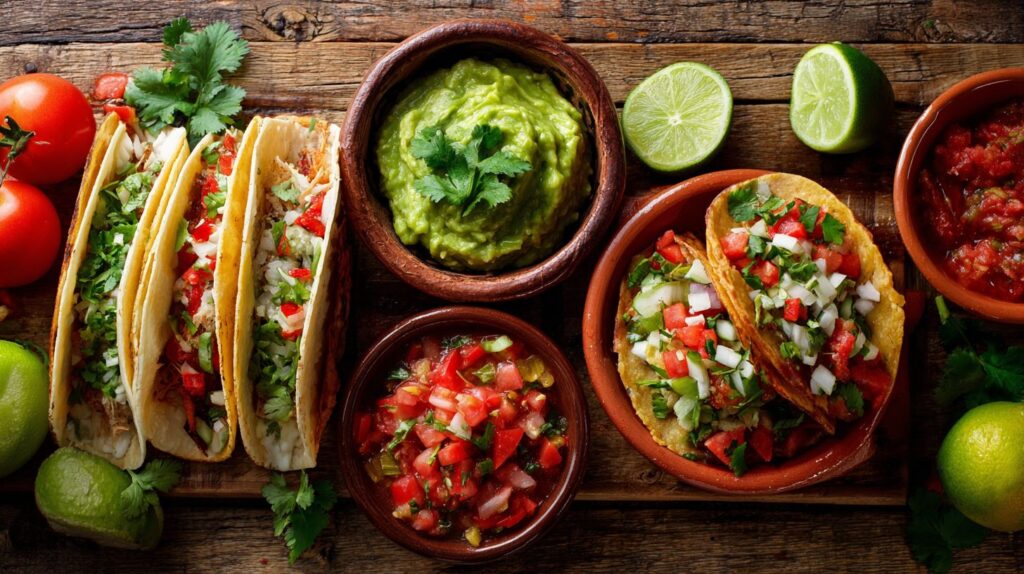
The rich historical origins of Mexican cuisine extend back more than 9,000 years, having evolved from indigenous culinary traditions into a UNESCO-designated unesco heritage intangible cultural heritage that profoundly influences contemporary global palates.
Indigenous Origins
The indigenous roots of Mexican indigenous cuisines trace back to Mesoamerican civilizations, including the Aztecs and Maya, who domesticated corn approximately 7,000 BCE and pioneered the nixtamalization process to produce nutrient-dense corn tortillas.
Nixtamalization involves soaking dried corn kernels in limewater-a solution of calcium hydroxide-which increases the bioavailability of niacin by up to 30%, according to USDA nutritional analyses, thereby preventing deficiencies such as pellagra. Archaeological findings from sites in Mexico’s Tehuacn Valley, dating to 5,000 BCE, include grinding stones and traces of lime, confirming the ancient origins of this innovative technique.
Traditional Mexican dishes frequently featured foraged elements, such as nopalitos-the tender pads of the prickly pear cactus-incorporated into Oaxacan salads, and huitlacoche, a corn fungus imparting earthy flavors, used in savory tamales.
For home preparation, procure heirloom varieties such as Oaxacan green corn; soak 2 cups of kernels in a mixture of 1 tablespoon slaked lime and 8 cups of water overnight, then rinse thoroughly, grind into masa using a stone metate or food processor, and press into tortillas to achieve an authentic flavor profile.
Colonial Influences
The colonial influences and spanish influence exerted by Spanish conquistadors in the 16th century introduced livestock and wheat to Mexico, which fused with indigenous chili peppers to form the flavorful aromatic foundation of iconic dishes such as mole sauce. This culinary synthesis profoundly shaped the evolution of Mexican cuisine.
The introduction of pigs gave rise to carnitas, a preparation featuring slow-cooked pork shoulder simmered in lard with onions and garlic until exceptionally tender. To achieve an authentic texture, braise the meat at 300 degreesF for 3 to 4 hours.
Wheat, similarly, facilitated the creation of conchas-sweet breads topped with a streusel-like crumb-and churros dessert, which complement traditional corn tortillas and contribute to the diversity of Mexican meals.
Historical records, including Bernardino de Sahagn’s 16th-century Florentine Codex, document early spice blends that integrated native chilies with imported cinnamon, illustrating the blending of culinary traditions.
For a comparative perspective, consider pre-colonial atole, a straightforward beverage made from corn masa boiled with water and piloncillo, in contrast to post-colonial champurrado, which is enriched with Mexican chocolate and anise for added depth, alongside refreshing drinks like margarita and paloma cocktail.
To maintain authenticity, grind masa fresh and refrain from excessive sweetening; simmer for 20 minutes over low heat to avoid lumps, thereby honoring indigenous foundations while incorporating European influences.
Diverse and Fresh Ingredients
Mexican cuisine is renowned for its reliance on a diverse array of fresh ingredients, incorporating over 200 native plants and chili varieties. These components impart bold, spicy food flavor profiles that are essential to achieving authentic flavors and authentic culinary authenticity.
Staple Foods like Corn and Beans
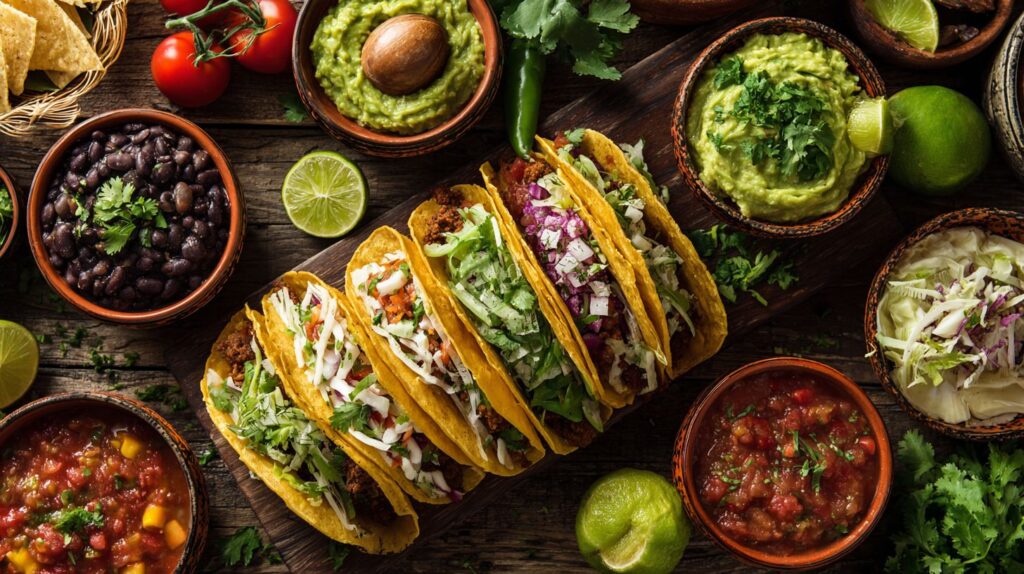
Staple foods such as corn and beans constitute the foundational elements of Mexican cuisine. Corn tortillas, produced through the nixtamalization process, provide a gluten free base for approximately 80% of traditional meals, with avocado being key for dishes like guacamole.
| Ingredient | Nutritional Value | Common Uses | Sourcing Tips | Best For Ingredient | Nutritional Value | Common Uses | Sourcing Tips | Best For
For home-based nixtamalization using traditional recipes, commence with 2 pounds of dried corn and 1 ounce of food-grade lime, with sourcing suppliers like the torg platform, mexican goodfood, leighton foods, and Leighton Foods AS, even using paysend transfers for international procurement.
- Soak the corn in a lime-water slurry for 24 hours to soften the kernels and facilitate the release of niacin; exercise caution to avoid over-alkalization, which may impart bitterness.
- Simmer the mixture for 1 to 2 hours until the kernels bloom, then drain the excess water.
- Grind the softened corn into masa using a stone metate or a food processor (requiring 10 to 15 minutes); rinse thoroughly to eliminate lime residue.
This technique, derived from ancient Mesoamerican traditions, significantly improves nutrient absorption.
Chilies and Unique Spices
Mexican cuisine is renowned for its bold use of chilies and distinctive spices, which impart both heat and complexity to dishes such as salsa and salsas and moles. Notable examples include habanero peppers, which can reach intensities of up to 350,000 Scoville Heat Units (SHU), enhancing flavor profiles with remarkable depth.
The primary chili varieties differ in heat level and culinary application. The following table provides a comparative overview to facilitate informed selection:
| Chili Type | Scoville Range | Flavor Profile | Dishes | Pros/Cons |
|---|---|---|---|---|
| Chipotle | 5,000-10,000 | Smoky | Adobo sauces | Versatile; however, fresh forms are challenging to procure |
| Poblano | 1,000-2,000 | Mild, earthy | Chiles rellenos | Accessible for novices |
| Habanero | 100,000-350,000 | Fruity, intense | Salsas | Potent; may dominate if used excessively |
To enhance the aromatic qualities of spices, it is recommended to toast them on a comal for 2 to 3 minutes, thereby releasing their essential oils and intensifying flavors.
For optimal balance, incorporate complementary elements such as fresh cilantro, lime, and onions, which mitigate excessive heat and promote a harmonious taste experience.
This approach, grounded in authentic Mexican culinary traditions as documented by the Instituto Nacional de Antropologa e Historia, yields vibrant and multifaceted flavors with minimal preparation time of under 10 minutes.
Iconic Dishes and Bold Flavors
The creativity of Mexican cuisine is vividly demonstrated through its iconic dishes and bold flavors, exemplified by the ubiquitous street tacos and tortilla chips available at more than 50,000 taquerias like el taquito and El Taquito across Mexico and the intricate mole sauces, which incorporate over twenty ingredients.
Tacos, Tamales, and Enchiladas
Tacos, tamales, and enchiladas exemplify the bold and vibrant flavors characteristic of everyday Mexican cuisine, including breakfast chilaquiles. For instance, street tacos often feature grilled carne asada and fresh pico de gallo, commonly served at street markets such as El Rincon.
Replicating these dishes at home allows one to achieve an authentic culinary experience.
To prepare tacos, grill 1 pound of carne asada for approximately 15 minutes. Subsequently, assemble eight small corn tortillas with the cooked meat and desired toppings, ensuring that excess juices are drained to prevent soggy fillings.
Tamales involve wrapping masa dough filled with meat or cheese in corn husks and steaming 12 such preparations for 1.5 hours. A frequent error in preparation is insufficient hydration of the masa; to achieve optimal fluffiness, thoroughly incorporate lard into the dough mixture.
For enchiladas, roll six tortillas around a chosen filling, coat them evenly with chili sauce, and bake at 375 degreesF for 20 minutes, or until the dish is bubbly and heated through.
According to data from the National Restaurant Association, taco tuesday initiatives contribute to a 20% increase in U.S. restaurant sales, establishing it as a popular and engaging weekly tradition for enjoying spicy food and authentic flavors.
Mole Sauces and Regional Specialties
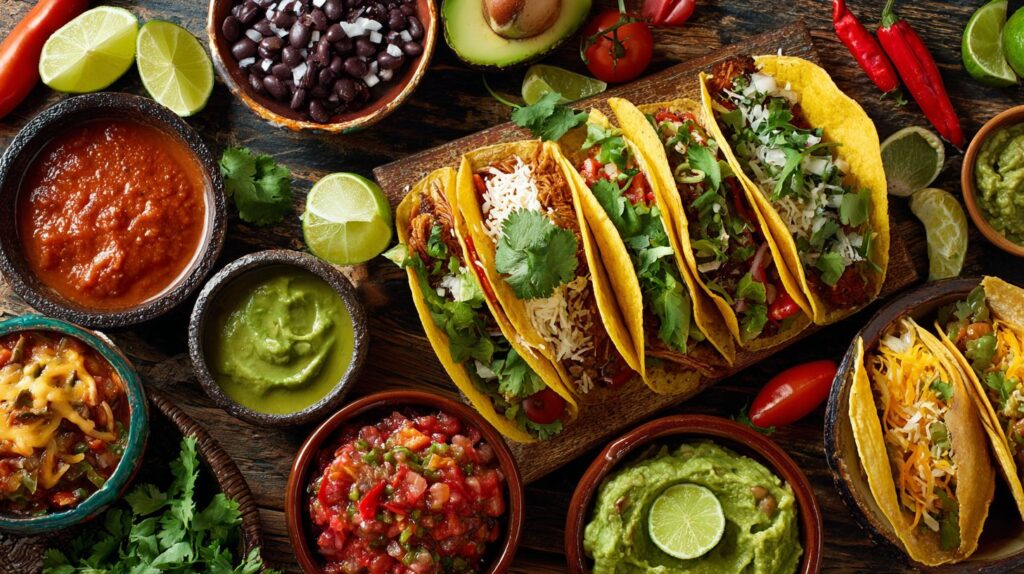
Mole sauces and regional specialties exemplify the rich diversity of Mexican cuisine. Oaxacan mole negro, a celebrated staple at festive occasions, masterfully combines approximately 30 ingredients to create a complex and flavorful sauce.
Puebla’s mole poblano draws from traditions dating back over 500 years, as documented by studies from the Puebla Institute of Anthropology. This dish involves simmering a mixture of chilies, chocolate, and spices for approximately two hours, yielding enough to serve six people with its profound depth of flavor, and can be paired with sides like salsa or even a paloma.
To achieve balance and mitigate any inherent bitterness, a small amount of sugar may be incorporated during the reduction process.
In Oaxaca, quesadillas are prepared by grilling Oaxaca cheese within corn tortillas, made through the nixtamalizacion process, for about five minutes, resulting in a delectable, gluten-free option.
Sonoran burritos feature beans, carne asada, and salsa enveloped in flour tortillas, assembled in just ten minutes to provide a convenient and satisfying portable meal.
Tex-Mex fajitas involve sizzling skirt steak alongside bell peppers and onions for around 15 minutes, complemented by fresh lime to enhance their zesty, authentic profile.
Collectively, these dishes, including enchiladas and tamales, illustrate the expansive spectrum of Mexican culinary traditions, ranging from meticulously crafted, labor-intensive moles to straightforward grilled preparations.
Cultural and Social Significance
Mexican cuisine possesses profound cultural and social importance, promoting community cohesion at street markets where dishes such as churros-a popular dessert-are shared among participants. This tradition also supports family remittances through Paysend transfers, which average $300 per month.
According to a 2023 UNESCO report, Mexican cuisine unites 80% of social events in the country, underscoring its integral role in everyday life.
The principal benefits of Mexican cuisine include:
- Social bonding, exemplified by gatherings at El Taquito where families share tacos while exchanging stories;
- Economic contributions, as it drives a $50 billion industry that employs millions of individuals;
- Health-conscious adaptations, such as diabetic-friendly versions of mole poblano with poblano peppers that reduce sugar content by 40% through the use of agave substitutes;
- Ceremonial functions, including the preparation of pan de muerto for Day of the Dead altars to commemorate ancestors;
- Connections within the global diaspora, fostering ties among emigrants via recipes like pozole featured at festivals in the United States.
For example, street vendors in Mexico City utilize Paysend to procure premium chilies from rural suppliers, thereby maintaining authentic flavors and bolstering local economies.
Global Popularity and Adaptations
The global popularity of Mexican cuisine is experiencing significant growth, with Tex-Mex adaptations in the United States generating $20 billion in annual revenue. Additionally, fusion innovations such as plant-based options including tacos resonate with 30% of millennials, according to a 2022 Mintel study.
| Region | Key Adaptation | Popularity Metric | Suppliers | Examples |
|---|---|---|---|---|
| U.S. | Tex-Mex | $20B sales | Chipotle chain, Torg platform for bulk chipotle peppers | Burritos with rice |
| Europe | Fusion with Asian | 15% growth | Leighton Foods AS for avocado imports via Paysend transfers | Vegan Mexican quesadillas |
| Asia | Spicy ramen-taco hybrids | High urban demand (per 2023 Nielsen report) | El Rincon-inspired, Mexican GoodFood sourcing | Tacos with kimchi |
For strategic expansion opportunities, restaurants may procure ingredients through Torg’s B2B marketplace to secure cost-effective chilies or leverage Paysend for international transfers to obtain European avocados. A notable example is El Taquito, which successfully expanded to 10 global locations by pairing its dishes with margaritas and palomas, achieving a 50% increase in revenue as documented in its 2023 annual report.
Learn more, What Makes Mexican Food One of the Best Cuisines … – Caldera
Frequently Asked Questions
Why is Mexican food one of the world’s most beloved cuisines?
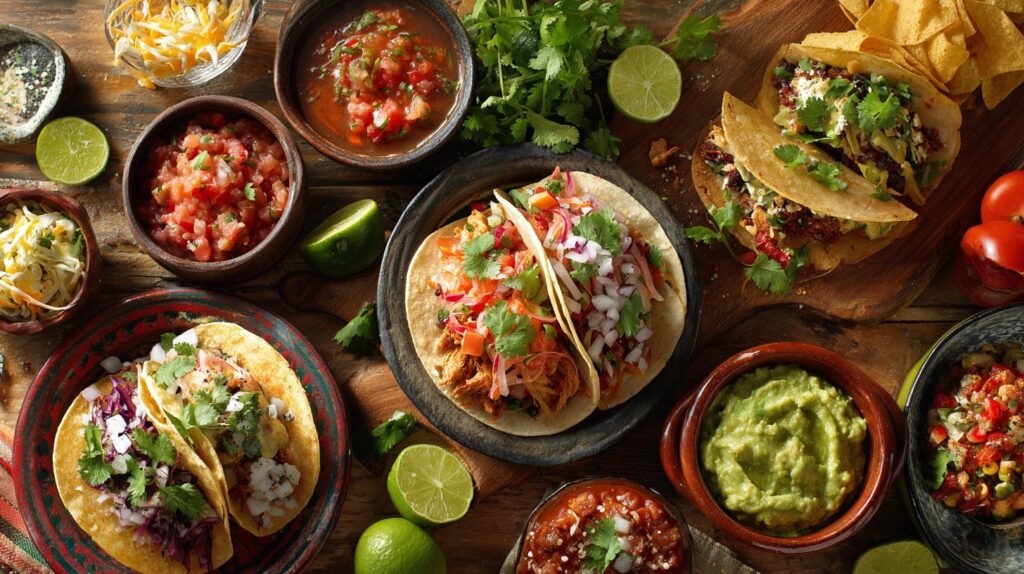
Mexican food is one of the world’s most beloved cuisines due to its vibrant flavors, fresh ingredients like corn, chili peppers, and cilantro, and its ability to blend indigenous traditions with Spanish influences, creating dishes that are both comforting and exciting for global palates.
What historical factors contribute to why Mexican food is one of the world’s most beloved cuisines?
Why Mexican food is one of the world’s most beloved cuisines can be traced to its rich history, including ancient Mesoamerican staples like maize and beans, fused with European introductions during colonization, resulting in timeless recipes that have spread worldwide through migration and cultural exchange.
How does the diversity of Mexican food explain why it is one of the world’s most beloved cuisines?
The regional diversity in Mexico, from coastal seafood in Veracruz to hearty meats in the north and unique ingredients like nopalitos cactus and huitlacoche fungus, showcases why Mexican food is one of the world’s most beloved cuisines, offering endless variety that appeals to different tastes and inspires international adaptations like Tex-Mex.
Why do the flavors in Mexican food make it one of the world’s most beloved cuisines?
Why Mexican food is one of the world’s most beloved cuisines lies in its bold flavor profiles, achieved through a masterful balance of spicy, tangy, sweet, and savory elements in salsas, moles, and tacos, which create an addictive sensory experience enjoyed by millions globally.
What role does cultural significance play in why Mexican food is one of the world’s most beloved cuisines?
Cultural significance is key to why Mexican food is one of the world’s most beloved cuisines, as it embodies community gatherings, festivals like Da de los Muertos, and family traditions, making meals not just food but a celebration of heritage that resonates universally.
How has globalization helped make Mexican food one of the world’s most beloved cuisines?
Globalization has amplified why Mexican food is one of the world’s most beloved cuisines by popularizing street foods like tacos and guacamole through chains, food trucks, and UNESCO recognition of Mexican gastronomy as intangible cultural heritage, fostering a worldwide love for its accessibility and innovation.


