
Beverages, ranging from the comforting warmth of tea to the invigorating effects of coffee, play a significant role in our daily lives and in cultures worldwide. This article aims to explore the top ten most popular drinks, highlighting the unique characteristics that contribute to their widespread appreciation. Whether one prefers traditional brews, craft beers, or refreshing juices, the discussion will include regional variations, brewing methods, and pairing suggestions that can enhance the overall experience. Prepare to engage with a diverse array of flavors from around the globe.
Table of Contents
Key Takeaways:
- Expand your beverage horizons with these top 10 popular drinks from around the world.
- From traditional teas to craft beers, there’s a drink for every taste preference.
- Don’t forget to stay hydrated with water, the universal necessity for good health.
What Makes a Beverage Popular?
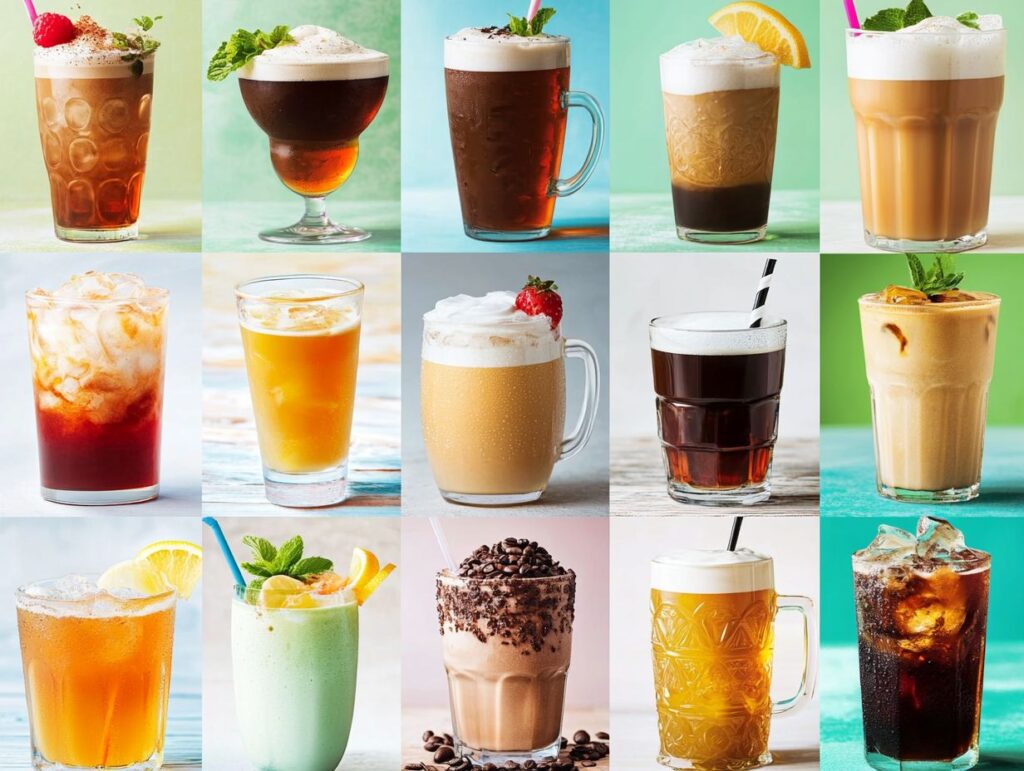
The global popularity of beverages is influenced by a multitude of factors, including cultural significance, flavor profiles, and marketing strategies. For example, beverages such as Mango Lassi from India and the renowned Piña Colada from Cuba have garnered popularity due to their deep cultural connections, while international brands like Coca-Cola and Guinness command significant market share through extensive marketing efforts and established brand loyalty.
Additionally, products like Red Bull and Yakult have successfully established their niche by emphasizing specific health benefits or lifestyle choices, thereby becoming integral components of contemporary beverage culture. According to Statista’s market forecast, such strategies contribute significantly to the worldwide beverage market dynamics.
This cultural integration is often intensified by social media trends, where unique offerings and regional specialties can achieve viral status, leading to a substantial increase in consumer demand. Local favorites, such as bubble tea which originated in Taiwan, exemplify how innovative flavor profiles can resonate across borders, appealing to a diverse array of consumer preferences.
Niche markets, including craft beer and artisanal sodas, have emerged as consumers increasingly prioritize authenticity and unique experiences in their beverage selections. Ultimately, the interplay of tradition, innovation, and strategic marketing continues to shape the dynamic landscape of popular beverages worldwide.
Tea: A Staple in Many Cultures
Tea transcends mere consumption; it serves as a cultural cornerstone that exhibits considerable diversity across various regions, ranging from the robust chai of India to the refined matcha of Japan.
In nations such as Korea, tea ceremonies are characterized by an emphasis on tranquility, while in England, the tradition of afternoon tea has evolved into a significant social custom. This aligns with findings from Japan Guide, which highlights the ceremonial importance and intricate traditions associated with tea in Japan.
Worldwide, the consumption of tea mirrors local traditions and preferences, presenting a variety of flavors and preparation techniques that resonate profoundly with the populace.
Types of Tea and Regional Variations
There exists a wide variety of tea, each possessing distinct flavors and health benefits, which reflect the diverse cultures from which they originate. Notable examples include the robust Assam tea from India, the delicate sencha from Japan, and the rich pu-erh from China.
Additionally, herbal teas such as chamomile and peppermint are recognized for their soothing properties and enjoy global popularity.
Further exploration reveals the earthy notes of rooibos from South Africa, which is esteemed not only for its naturally sweet flavor but also for its antioxidant properties. The invigorating matcha, another Japanese favorite, offers a significant energy boost while promoting relaxation due to the presence of L-theanine.
Each of these teas provides a unique sensory experience and embodies the traditions and health practices of their respective cultures. For instance, oolong tea, known for its complex flavor profile, can aid in weight management and digestion, illustrating the intersection of gastronomy and wellness across various regions.
Coffee: A Global Favorite
Coffee has transformed into a global favorite, appreciated not only for its stimulating properties but also for its rich flavors and diverse brewing techniques.
From the robust espresso shot traditionally served in Italy to the creamy cappuccino enjoyed in coffee establishments worldwide, the coffee culture continues to flourish across continents.
It serves as a unifying element, bringing individuals together in cafes and social gatherings, while highlighting the distinct arabica and robusta beans sourced from various regions around the world.
Different Brewing Methods and Flavors
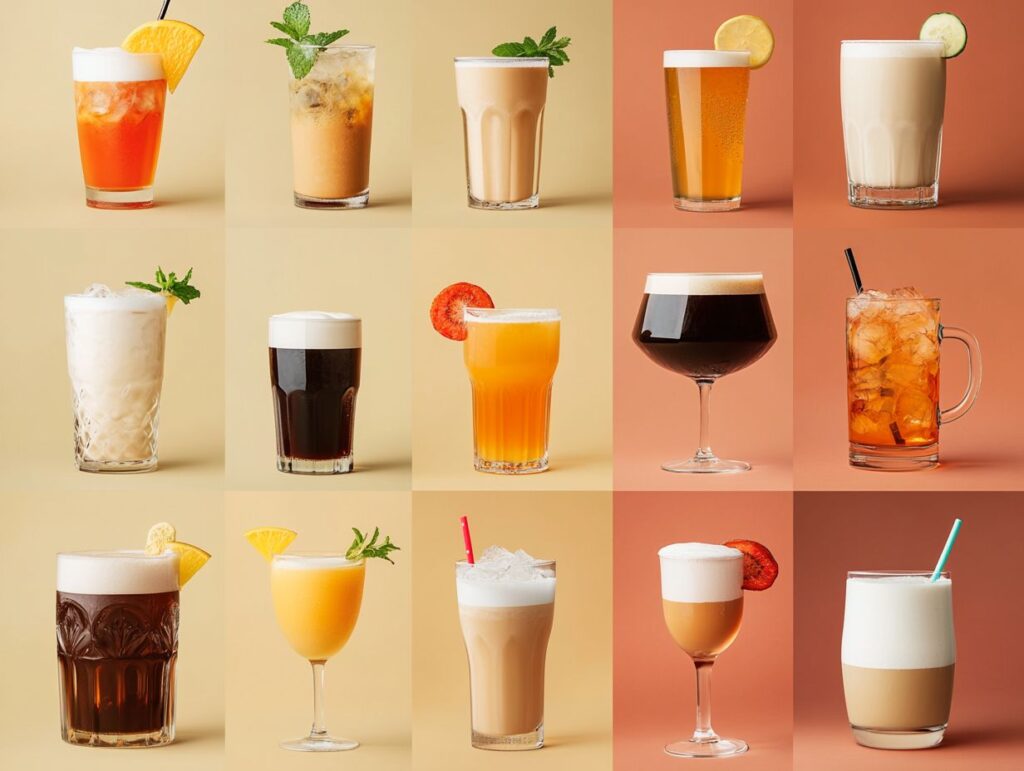
The realm of coffee is extensive, encompassing various brewing methods such as espresso, French press, and filter coffee, each of which produces distinct flavors and aromas. These methods not only influence the taste profile but also accommodate diverse preferences, enabling coffee enthusiasts to explore a spectrum of experiences that range from rich and bold to light and fruity. According to a recent publication by ResearchGate, different brewing methods significantly affect the sensory perception and organoleptic compounds of coffee.
For instance, espresso, which is produced through high-pressure extraction, creates a concentrated shot that accentuates the deep, robust notes of the coffee beans, making it particularly appealing to those who favor a strong flavor profile. Conversely, the French press method facilitates a fuller body, as the coffee grounds steep, resulting in a more aromatic cup that can unveil subtle berry or nutty undertones.
The origin of the beans plays a crucial role in flavor development; single-origin coffees from Ethiopia may present floral and citrus notes, while blends from Brazil often deliver chocolatey characteristics. Understanding these nuances significantly enhances one’s appreciation for the richness and diversity present in each cup of coffee.
Beer: A Classic Choice
Beer, one of the oldest beverages known to humanity, continues to be a timeless selection appreciated worldwide, ranging from traditional lagers in Germany to the diverse craft beer landscape in the United States.
The brewing process, which incorporates water, malt, hops, and yeast, has undergone significant evolution over the centuries, resulting in a myriad of styles and flavors that appeal to a broad spectrum of preferences.
Traditional and Craft Beer Options
Traditional beer options encompass classic ales and lagers, which are often brewed using time-honored methods that highlight unique regional characteristics. In contrast, craft beers, including India Pale Ales (IPAs) and stouts, have experienced a significant surge in popularity, demonstrating creativity and innovation in flavor combinations and brewing techniques that attract a new generation of beer enthusiasts.
While traditional brews typically prioritize consistency and adherence to centuries-old recipes, craft beer embodies an experimental approach, encouraging brewers to incorporate unconventional ingredients such as fruits, spices, and even coffee. This artistic methodology has resulted in a diverse array of flavor profiles, ranging from the bold hop bitterness found in IPAs to the rich, dark sweetness characteristic of stouts.
Craft breweries are often deeply integrated into their local communities, fostering a sense of connection and celebrating regional flavors that resonate with consumers. Consequently, the craft beer movement not only challenges the norms established by traditional brewing but also enriches the cultural landscape surrounding beer consumption, inviting enthusiasts to engage in diverse experiences that extend beyond mere refreshment.
Wine: A Sophisticated Drink
Wine is widely recognized as a refined beverage that enhances social gatherings and dining experiences. Its diverse range includes robust red wines, crisp white wines, and sparkling varieties.
Various wine-producing regions across the globe, such as Bordeaux in France and Napa Valley in the United States, contribute to the distinct characteristics and flavors of wine. This diversity makes wine a favored selection among both connoisseurs and casual drinkers.
Varieties of Wine and Pairing Suggestions
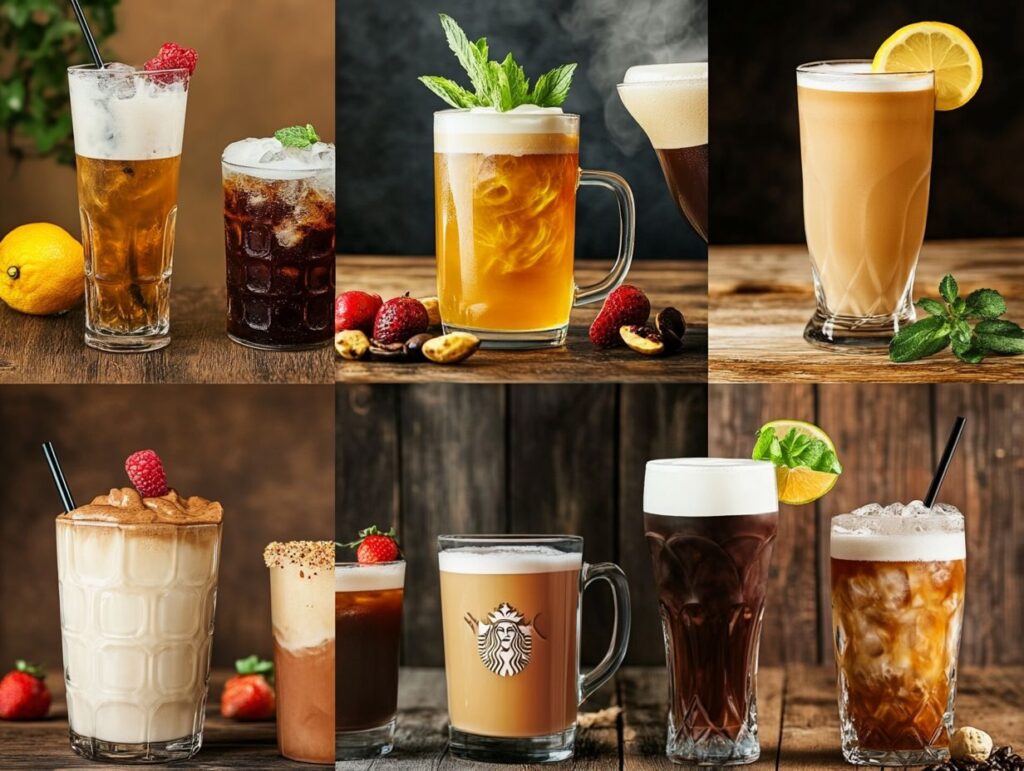
There exists a wide array of wine varieties, including red, white, and dessert wines, each offering distinct flavors and characteristics that complement a variety of culinary dishes. Properly pairing wine with appropriate foods—such as a robust red with grilled meats or a sweet dessert wine with fruit-based desserts—enhances the dining experience and emphasizes the best qualities of both the wine and the meal.
For example, a full-bodied Cabernet Sauvignon, characterized by its rich dark fruit flavors, serves as an excellent accompaniment to a juicy steak or hearty lamb dishes. In contrast, a crisp Sauvignon Blanc, with its zesty acidity and notes of citrus and green apple, beautifully complements grilled fish or a fresh salad.
Additionally, Pinot Noir, renowned for its lighter body and complex earthy undertones, pairs exceptionally well with roasted poultry or mushroom risotto. Dessert wines, such as Port, with their rich and velvety sweetness, can elevate the experience of enjoying cheeses—particularly blue cheese—or decadent chocolate desserts, creating a harmonious balance on the palate.
Exploring these wine pairings presents new opportunities for both wine enthusiasts and culinary aficionados to enhance their appreciation of food and drink.
Soda: A Sweet Treat
Soda, recognized for its sweet and effervescent qualities, is a widely appreciated beverage enjoyed by a considerable number of consumers, with prominent brands such as Coca-Cola, Fanta, and Sprite dominating the market.
The extensive range of flavors and dynamic marketing strategies have significantly enhanced its broad appeal, positioning soda as a preferred choice for events such as parties, picnics, and social gatherings.
Popular Brands and Flavors
Prominent brands in the soda market, including Coca-Cola, Fanta, and Sprite, provide an extensive array of flavors that address the diverse preferences of consumers. Ranging from classic cola to fruity and citrus variants, these brands maintain a formidable presence in the beverage industry through strategic marketing efforts and continuous innovation.
These iconic brands consistently adapt their product lines to align with evolving consumer preferences, introducing limited-edition flavors and healthier alternatives to appeal to a wider audience.
For example, Coca-Cola’s introduction of zero-sugar options caters to health-conscious consumers, while Fanta’s vibrant fruity flavors specifically target younger demographics seeking enjoyable and refreshing choices.
As these brands engage in intense competition, they not only influence market trends but also significantly shape the overall consumer experience. This dynamic landscape underscores the importance of flavor innovation as a key driver of customer loyalty and sales growth.
Juice: A Refreshing Option
Juice serves as a refreshing option for many individuals, available in both fresh and packaged forms, thereby catering to health-conscious consumers as well as those in search of flavorful beverages.
Varieties such as orange juice, pomegranate juice, and smoothies have gained considerable popularity due to their nutritional benefits while also offering a pleasant taste.
Fresh and Packaged Juice Choices
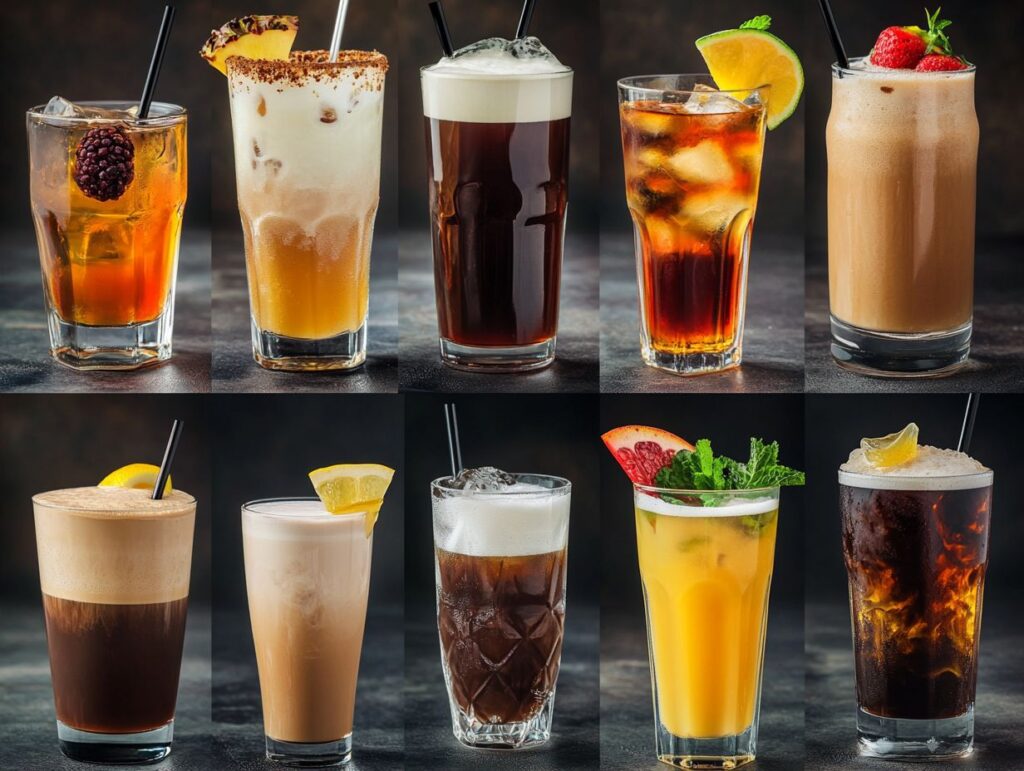
Fresh juice options, such as pressed orange and green juices, are recognized for their high nutritional value and vibrant flavors, while packaged juices offer convenience and an extended shelf life. Each category holds a distinct position in the market, catering to diverse consumer needs and preferences regarding taste and health.
Freshly squeezed juices are typically abundant in vitamins, enzymes, and antioxidants, providing a nutrient-dense experience that is particularly appealing to health-conscious individuals. Conversely, packaged varieties may undergo pasteurization, a process that can reduce some of these beneficial nutrients while enhancing safety and prolonging storage life.
The flavor profiles of these two types of juices also differ significantly; fresh juice tends to deliver a dynamic and robust taste, whereas some packaged options, which contain artificial preservatives and added sugars, may result in a sweeter yet less authentic experience.
Ultimately, the decision between fresh and packaged juices depends on individual priorities, whether they emphasize immediate health benefits or the convenience of on-the-go consumption.
Milk: A Nutritious Beverage
Milk is widely acknowledged as a nutritious beverage, abundant in vitamins and minerals that are essential for various diets globally.
With options ranging from whole and skim dairy to non-dairy alternatives such as almond and oat milk, the current variety available caters to a wide array of dietary needs and preferences. This diversity makes milk a versatile choice for many consumers.
Dairy and Non-Dairy Milk Alternatives
Dairy milk remains a widely favored option due to its rich flavor and significant calcium content. In contrast, non-dairy alternatives such as almond, oat, and soy milk have experienced a notable increase in popularity, largely driven by dietary restrictions and personal preferences.
Each alternative presents distinct flavors and nutritional profiles, addressing the needs of a growing demographic of health-conscious consumers.
For example, almond milk offers a light, nutty flavor and is lower in calories, making it an attractive choice for individuals seeking to reduce their caloric intake.
Oat milk, conversely, features a creamy texture and is often fortified with additional vitamins and minerals, rendering it an excellent option for creamy coffee beverages and smoothies.
Soy milk contains a high protein content comparable to that of dairy milk and is frequently utilized in various cooking and baking applications due to its versatility.
As more individuals adopt plant-based diets, these alternatives not only accommodate those with lactose intolerance but also contribute to a reduced environmental impact, illustrating that today’s choices can effectively align health considerations with sustainability.
Water: A Necessity
Water is a fundamental necessity for life, serving a critical role in hydration and overall health.
Given the numerous options available, including spring water, mineral water, and sparkling varieties, it is important to select water that not only satisfies thirst but also supports daily wellness.
Types of Water and Health Benefits
There are several types of water available, including mineral, spring, and sparkling water, each providing distinct health benefits such as hydration and electrolyte balance. Selecting the appropriate type of water can significantly enhance overall well-being and support essential bodily functions, making it important to understand the available options.
For instance, mineral water is often rich in minerals such as calcium and magnesium, which are vital for maintaining bone health and muscle function. Conversely, spring water, sourced from natural springs, typically possesses a more neutral pH, rendering it gentle on the digestive system while delivering essential nutrients.
Sparkling water, as a carbonated alternative, not only offers a refreshing option but may also assist in digestion, making it advantageous for individuals who prefer carbonated beverages without added sugars.
By integrating a variety of these water types into their daily routine, individuals can ensure adequate hydration while promoting optimal health and vitality.


